How to plan an elopement
How to Plan an Elopement
A Step-by-Step Guide
For Couples Who Don't Know Where to Start
(But Know They Want Something Different)
Planning an elopement can feel freeing — and completely overwhelming — at the same time.
You probably know what you don't want — a huge guest list, a rigid timeline, a day that feels like a performance. But when it comes to what you do want? That part can be harder to put into words.
This guide is here to help you move from "We want to elope" to "We actually know how to plan this." Not by telling you what an elopement should look like — but by giving you a framework to design a day that actually feels like you.
Think of this as your roadmap.
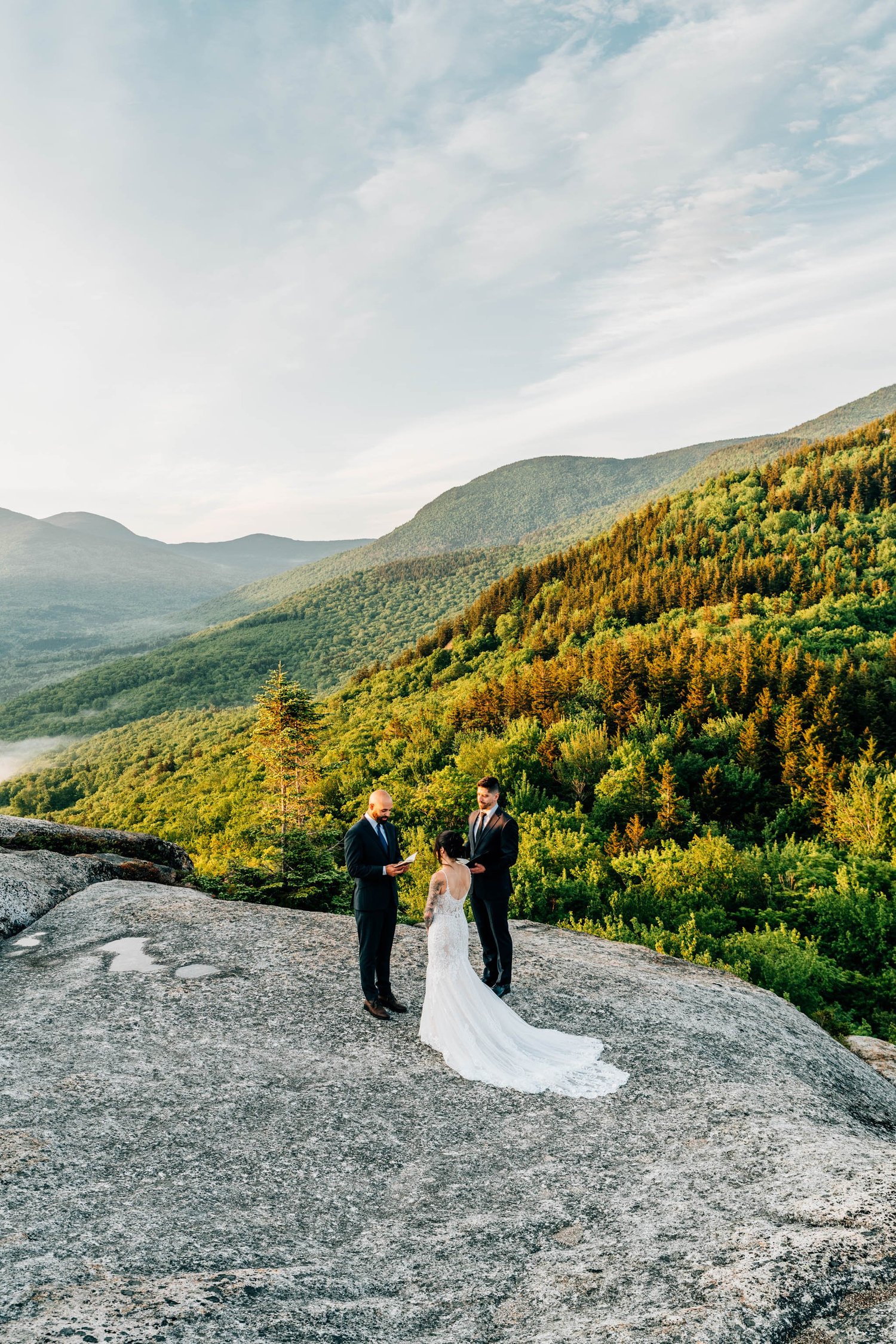
You, your favorite person, and the most gorgeous views.
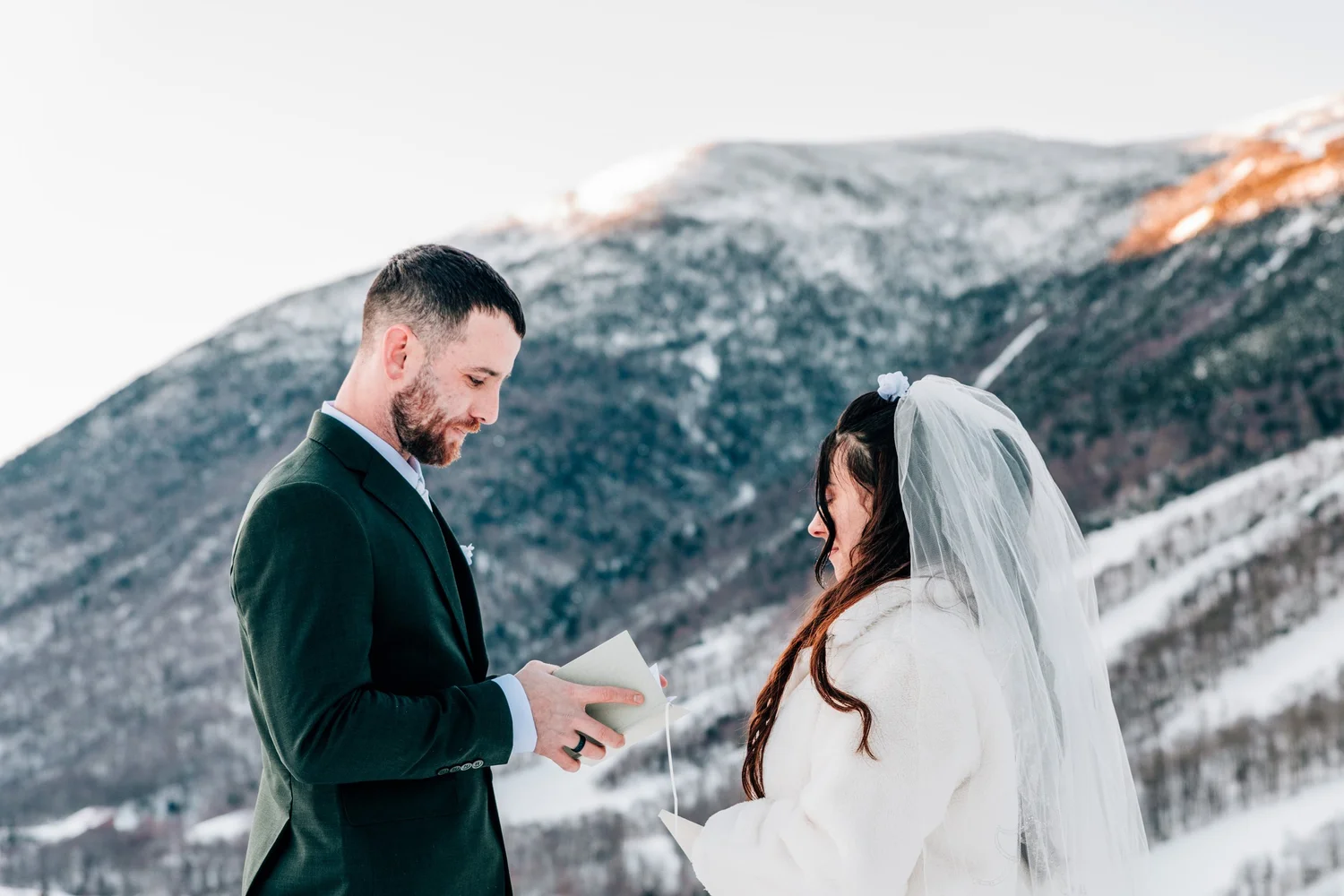
Winter elopements are so underrated.
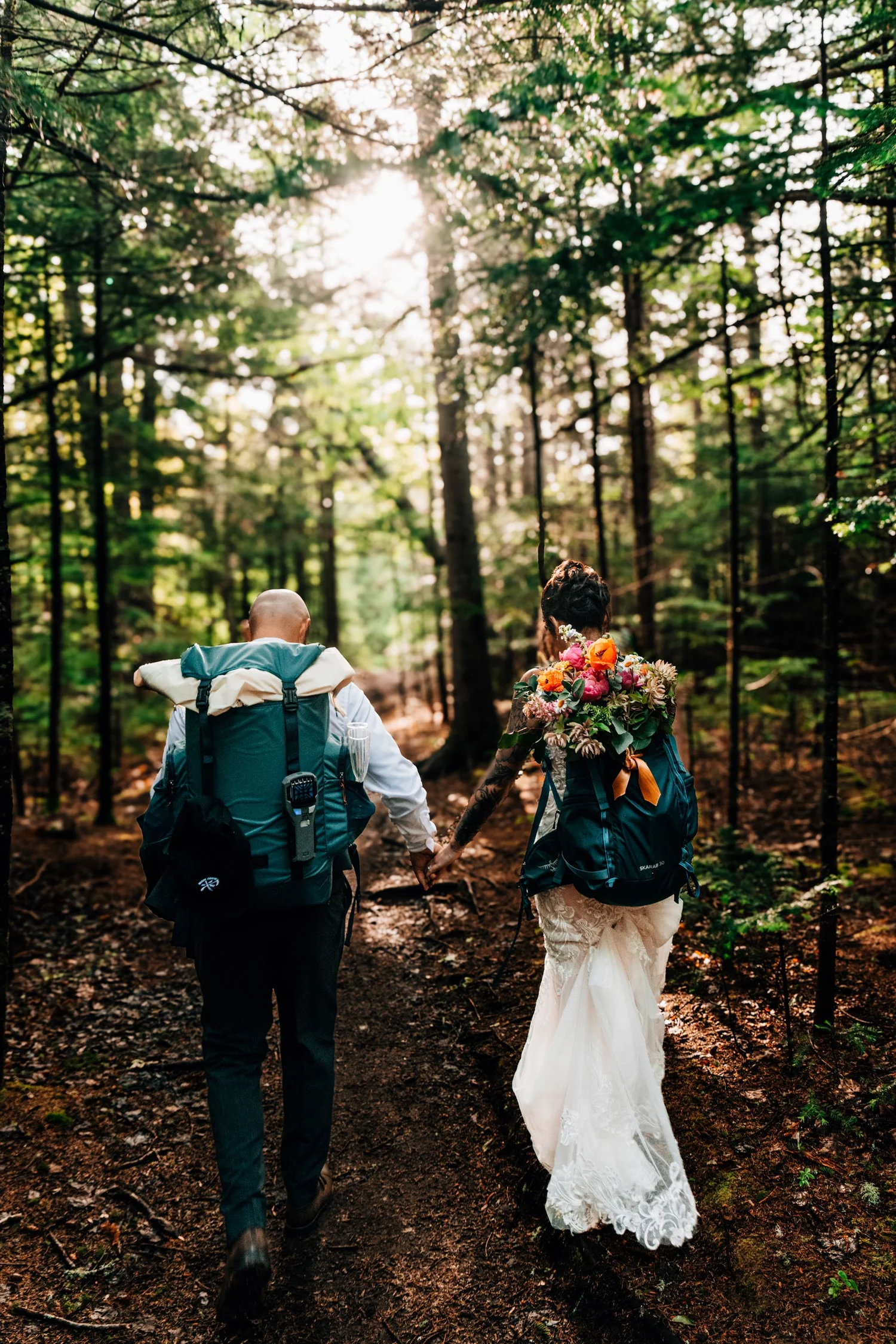
Nothing beats wandering off to celebrate your big day.
Start With the Experience
This is where most couples get stuck. They start by Googling "best places to elope" and end up overwhelmed by epic photos, permits, seasons, and logistics — before they've even figured out what kind of day they want.
Instead, flip the process. Ask yourselves:
- How do we want to feel on our elopement day?
- Do we want something calm and slow, or adventurous and active?
- Do we want solitude, or a few loved ones nearby?
- Do we want this to feel like a single moment — or a full-day experience?
- A quiet sunrise, coffee together, a short hike, vows somewhere private.
- A full-day adventure — hiking, exploring, changing locations, celebrating late.
- A multi-day experience that blends elopement + honeymoon.
- A meaningful place paired with a simple ceremony and a great dinner after.
Pick Your Date and Season
Your date isn't just a number on a calendar — it shapes everything. The season determines light quality, weather, crowds, and whether your chosen location is even accessible.
- What season speaks to us visually and emotionally?
- Do we want to plan around golden hour, sunrise, or a specific light?
- Are we flexible with the date, or does a specific one matter?
Popular locations and photographers book 6–18 months out. Starting early gives you the most options.
Choose Your Location
Once you know how you want to feel and roughly when, location research becomes far more focused. You're not looking for "the most beautiful place" — you're looking for the right place for you.
Consider:
- Accessibility for your fitness level (and any guests)
- Seasonal conditions — weather, snow, wildflowers, crowd levels
- Light quality at your planned ceremony time
- Permit requirements (more on this below)
Handle the Legal Stuff
Every elopement still needs to be legally recognized — and the requirements vary widely by state and country. Getting ahead of this early means no last-minute scrambling.
You'll need:
- A valid marriage license (requirements vary — some have waiting periods)
- An officiant who is legally authorized in your state or country
Some states allow self-solemnization — no officiant required. Check your state's requirements early.
Build Your Vendor Team
Your photographer is your most important booking — they'll document the entire day, understand the location, and often become an unofficial guide. Think carefully about who else you want present.
Consider adding:
- A videographer to capture movement and sound
- An officiant who matches the tone you want
- A florist for a simple, meaningful bouquet
- Hair and makeup if you want that support on the day
Design Your Day Flow
An elopement doesn't need a minute-by-minute script — but it does need a loose structure. Think about the rhythm of the whole day, not just the ceremony moment.
Build in:
- Buffer time for travel and unexpected delays
- Golden hour (1–2 hours before sunset) for your ceremony
- Time before and after the ceremony for portraits and stillness
- A clear plan for getting to and from your location
Prepare For the Day
The logistics that tend to get forgotten: permits, licenses, weather layers, and letting someone know where you'll be. A little preparation means you can be fully present when it matters.
Don't forget:
- Marriage license — have the physical copy with you
- Any required permits in hand before you leave
- Weather layers — nature doesn't follow the forecast
- A trusted contact who knows your plan and timing
Think About What Comes After the Ceremony
Your elopement doesn't end when you say "I do."
Ask yourselves:
- How do we want to celebrate after?
- Do we want to be alone or with others?
- What would feel grounding and joyful?
That might be:
- A picnic or champagne toast
- A reservation at a favorite restaurant
- A campfire and dinner
- A cozy night in
- Meeting friends or family later
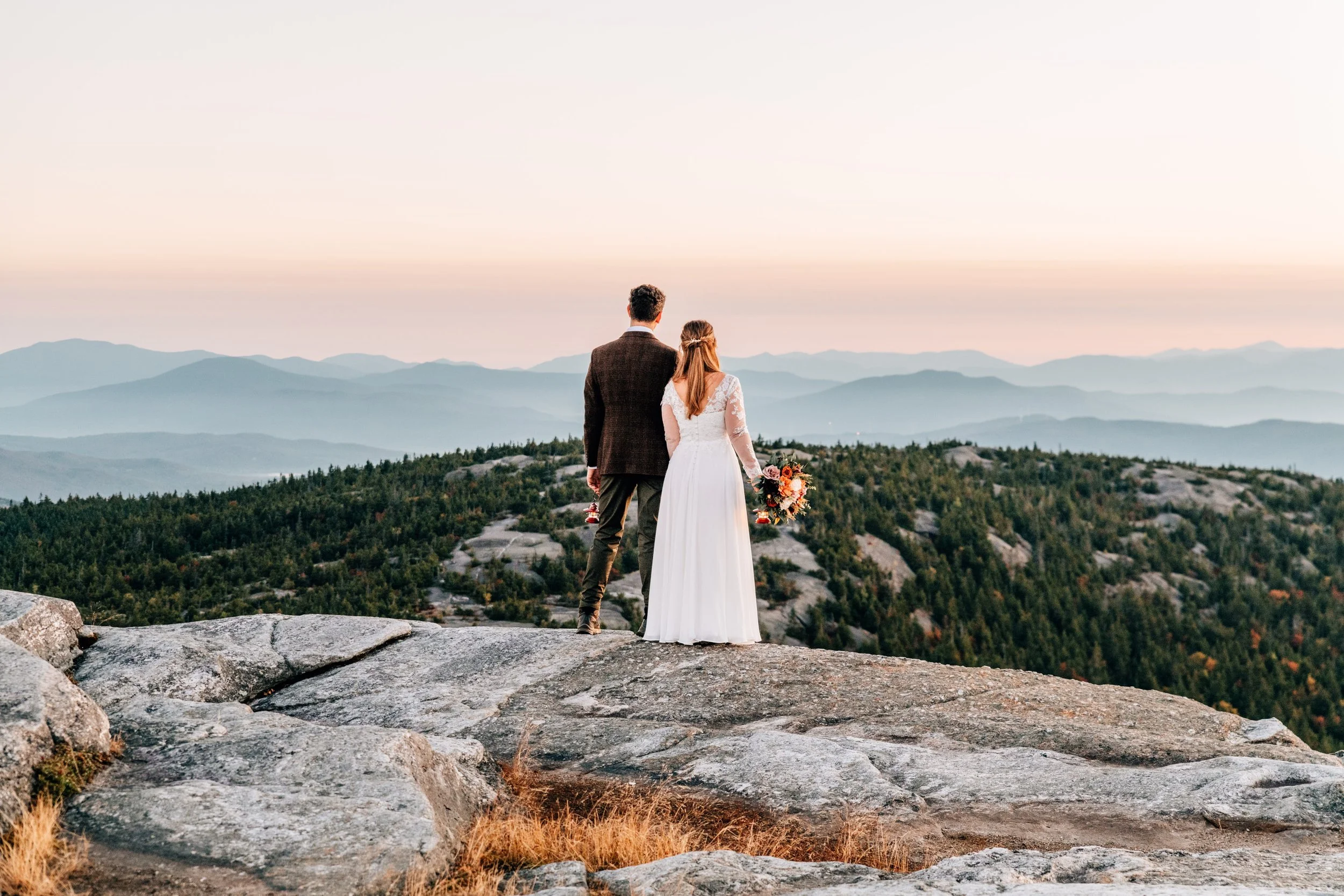
Elopement planning isn't just about picking a pretty place. It's about finding a location that works for your season, priorities, comfort level, and timeline, and making sure the logistics support the experience you want.
Here's how I help behind the scenes:
Location Planning
Finding the Right Location and a Backup Plan
Choosing a location is one of the biggest stress points for couples — there are endless options, but not all of them are right for you.
I help couples by:
- Getting clear on the experience they want
- Researching locations that fit their vision, season, and logistics
- Making thoughtful, personalized recommendations
- Narrowing things down until one location clearly feels right
And because nature doesn't always cooperate, I also help identify a solid backup location. That way, if weather or conditions change, we already have a Plan B that still feels intentional and beautiful — no scrambling, no panic.
Logistics & Paperwork
Permits and the Not-So-Fun Stuff
Permits are one of the most confusing parts of eloping outdoors. Every location has different rules, timelines, and requirements — figuring out whether a permit is needed, which one applies, and when to apply can be overwhelming.
I help couples by:
- Researching permit requirements for their chosen locations
- Helping navigate the application process
- Making sure timelines and plans align with regulations
- Ensuring everything is handled responsibly and ethically
So couples don't have to stress over fine print — they can focus on the experience.